
Follow the waste through our site in Khairahani, Chitwan, area by area, and see how it becomes organic fertiliser and recycled materials.
Take a look inside
Our facility: from waste to resource
01
Our facility
Bio-management area
This is where Safa Mal organic fertiliser is made. Separated vegetable and fruit waste from markets, together with green and agricultural waste such as crop residues and leaves, is processed here in the open air.
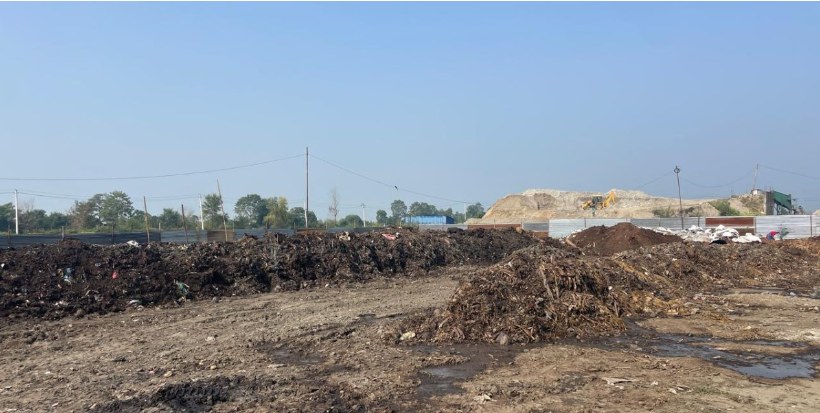
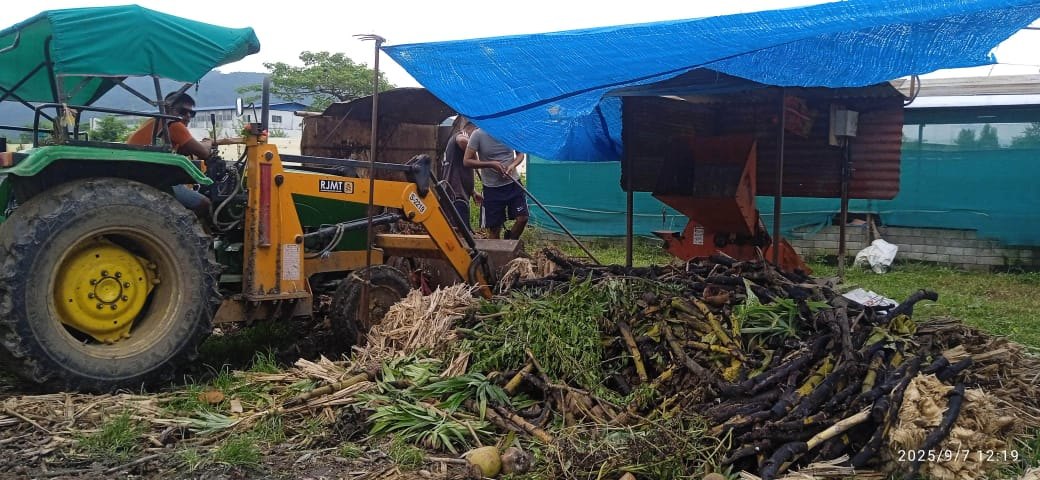
- ShreddingGreen and agricultural waste is fed into the shredder, so it breaks down faster and more evenly.
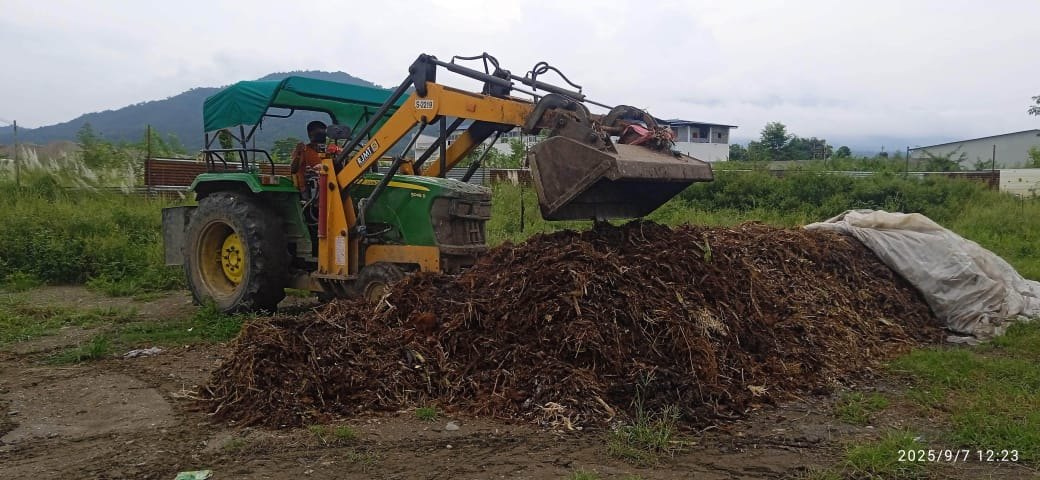
- Building the pilesShredded material is mixed with vegetable and fruit waste from markets and built into long compost piles with a loader.
- TurningThe piles are turned regularly to let air in, which keeps the composting process healthy and odour under control.
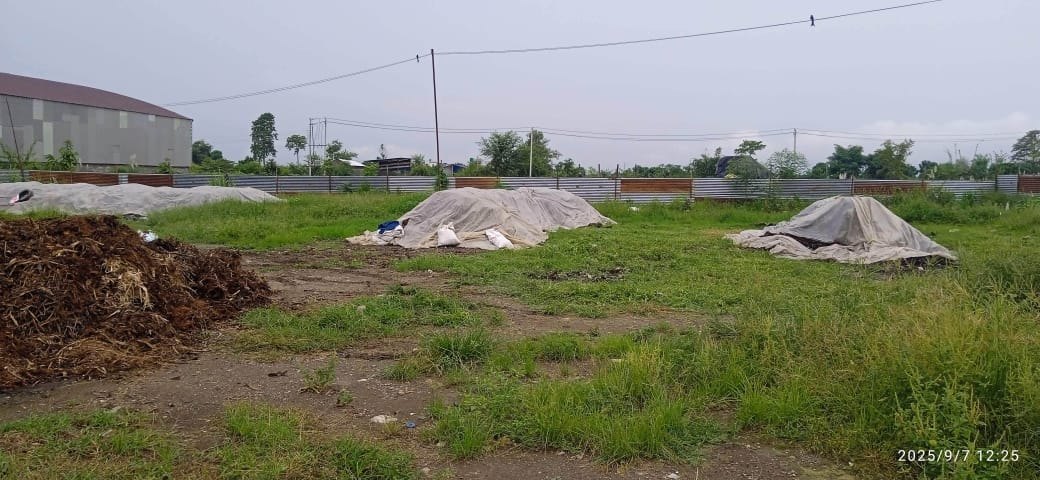
- Curing under coverMature piles are covered with tarpaulin to hold in moisture and heat and to protect them from rain, until the compost is ready for screening and packing as Safa Mal.
02
Our facility
Safa Mal in our own field
We use what we make. On the land beside our facility, we grow bananas with our own Safa Mal organic fertiliser, with no chemical fertiliser. The healthy plants and full, heavy bunches are the best proof we can offer of what Safa Mal does for the soil.
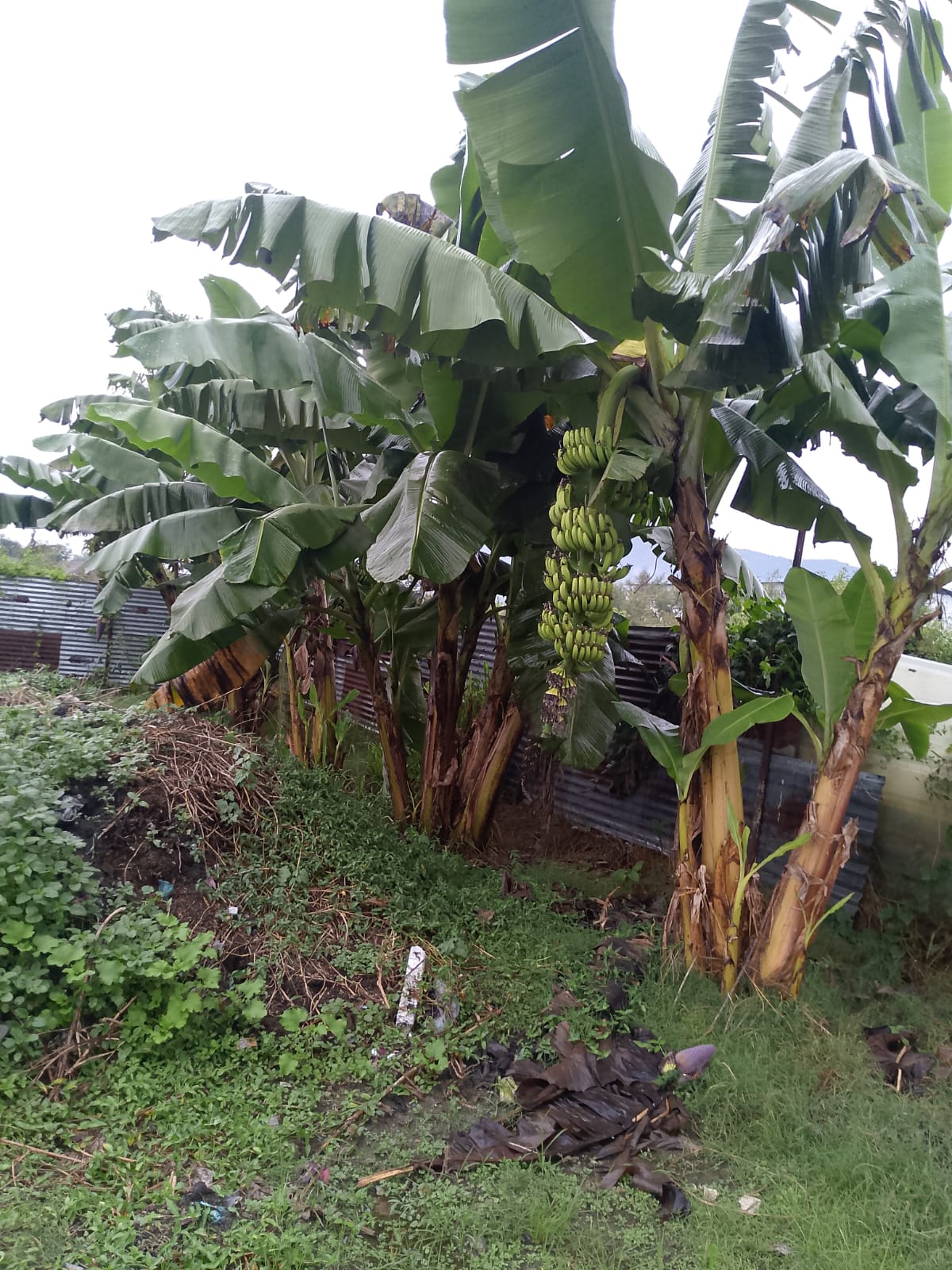
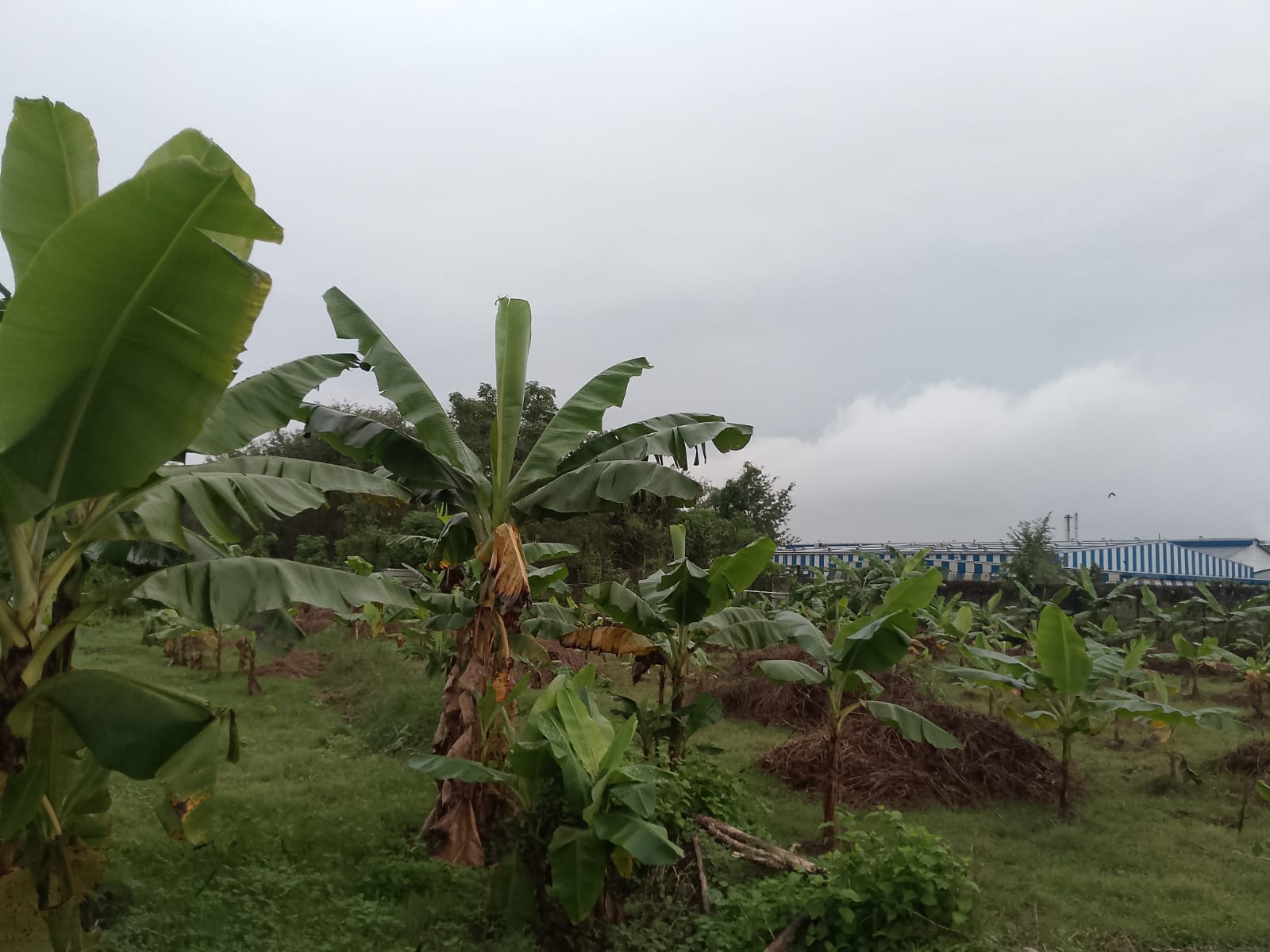
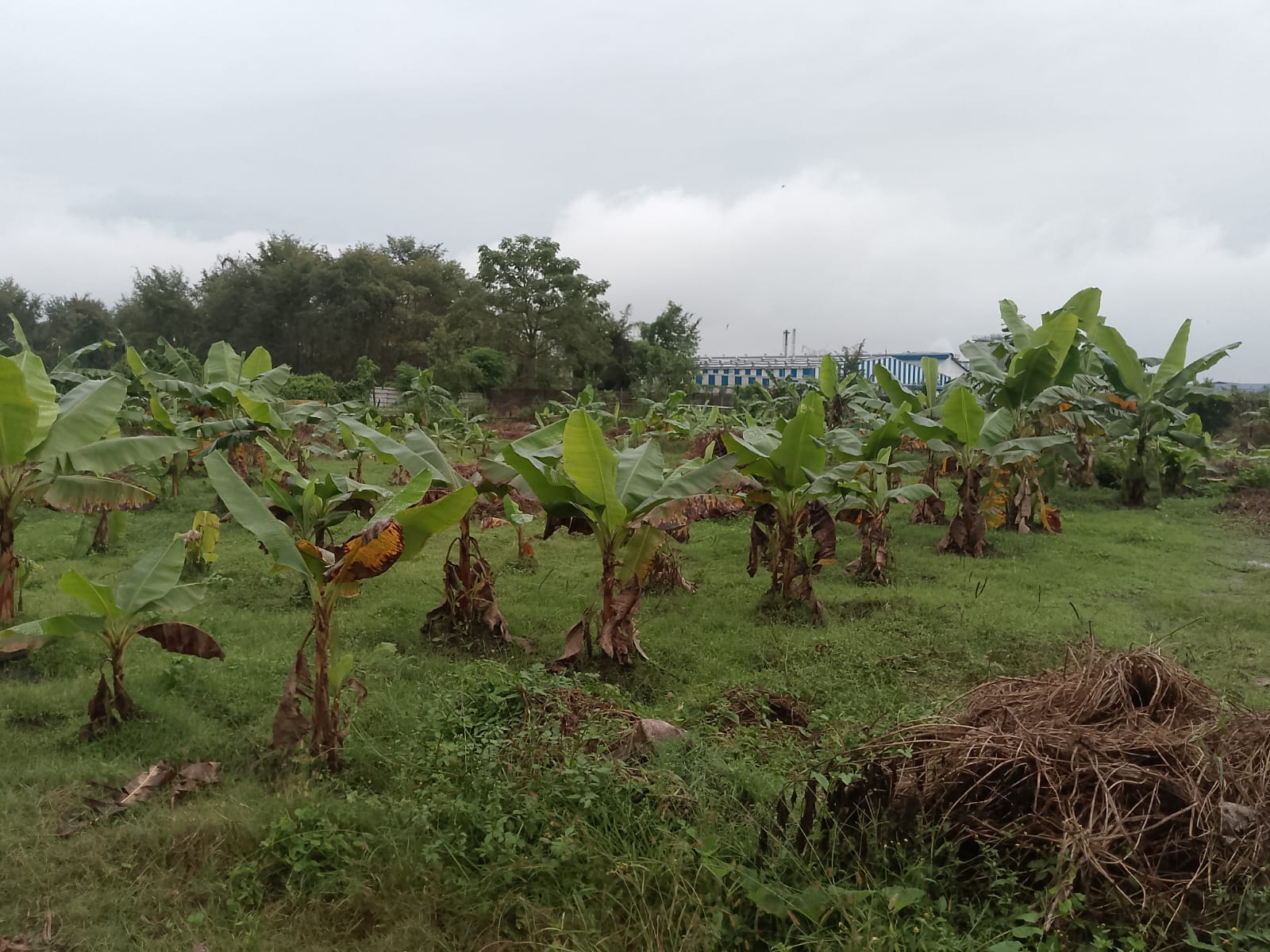
- Feeding the soilSafa Mal is applied around each plant, so the soil gets organic matter and nutrients that are released slowly.
- MulchingDry leaves and plant waste are heaped around the rows to keep the soil moist and covered.
- HarvestThe plants grow strong and bear full bunches, grown the organic way, right next to where Safa Mal is made.
03
Our facility
Material Recovery Facility: from waste to raw material
Dry waste collected from our service areas comes to our Material Recovery Facility (MRF), a large covered hall with sorting conveyors. Here it is sorted by material, cleaned and pressed into tight bales: cardboard and paper, PET bottles, and textiles already turned into fibre (kapas). What arrived as waste leaves as a valuable raw material, ready for the buyers and industries that need it.
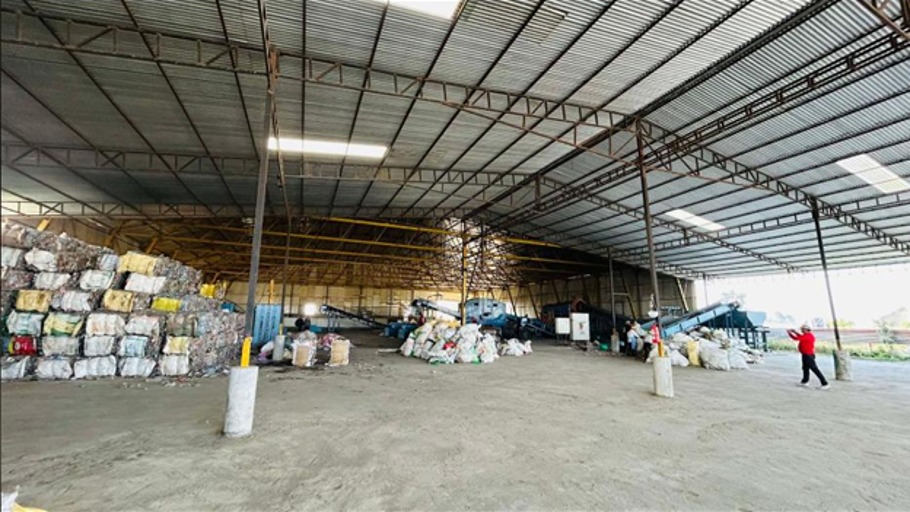
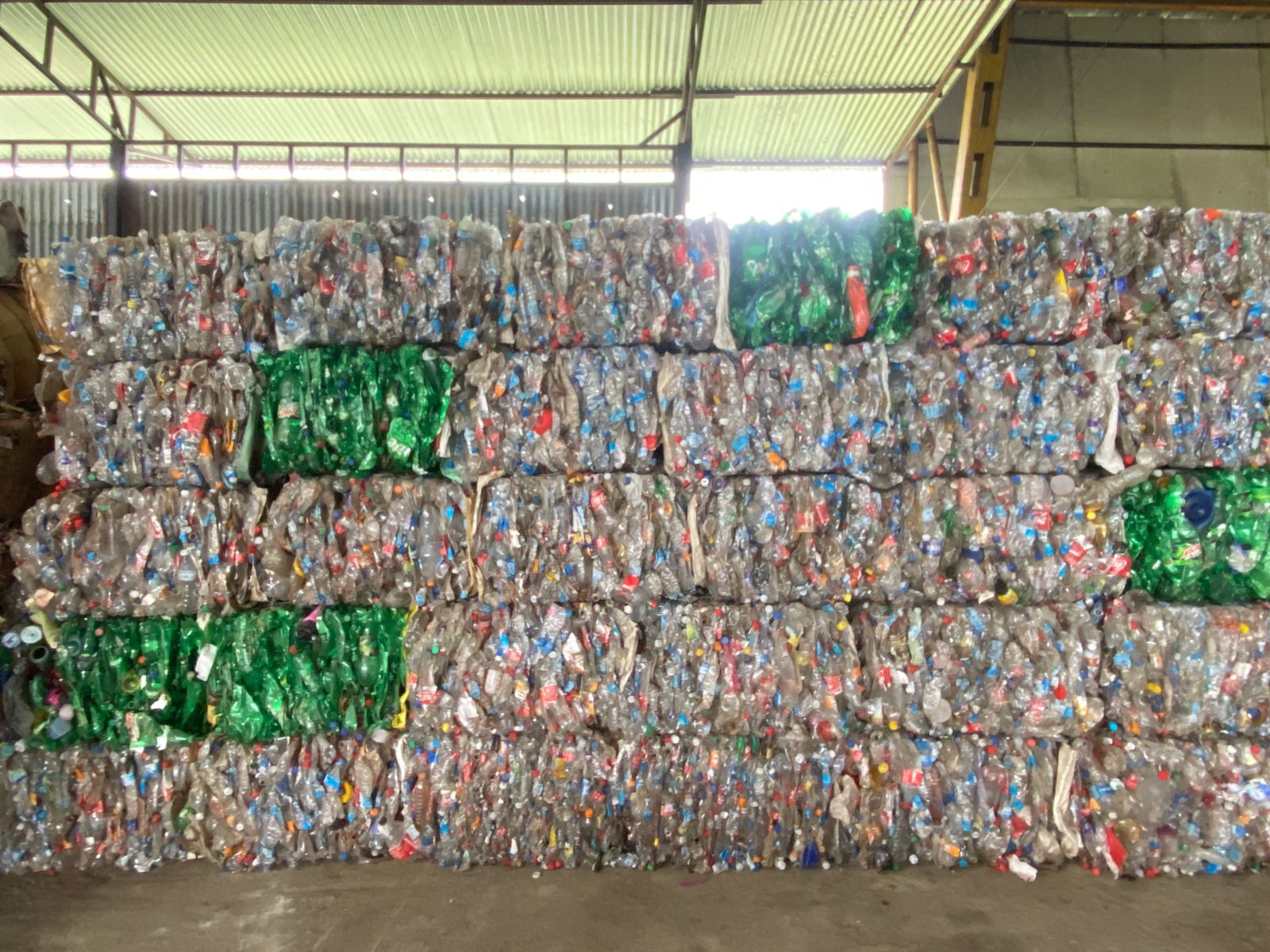
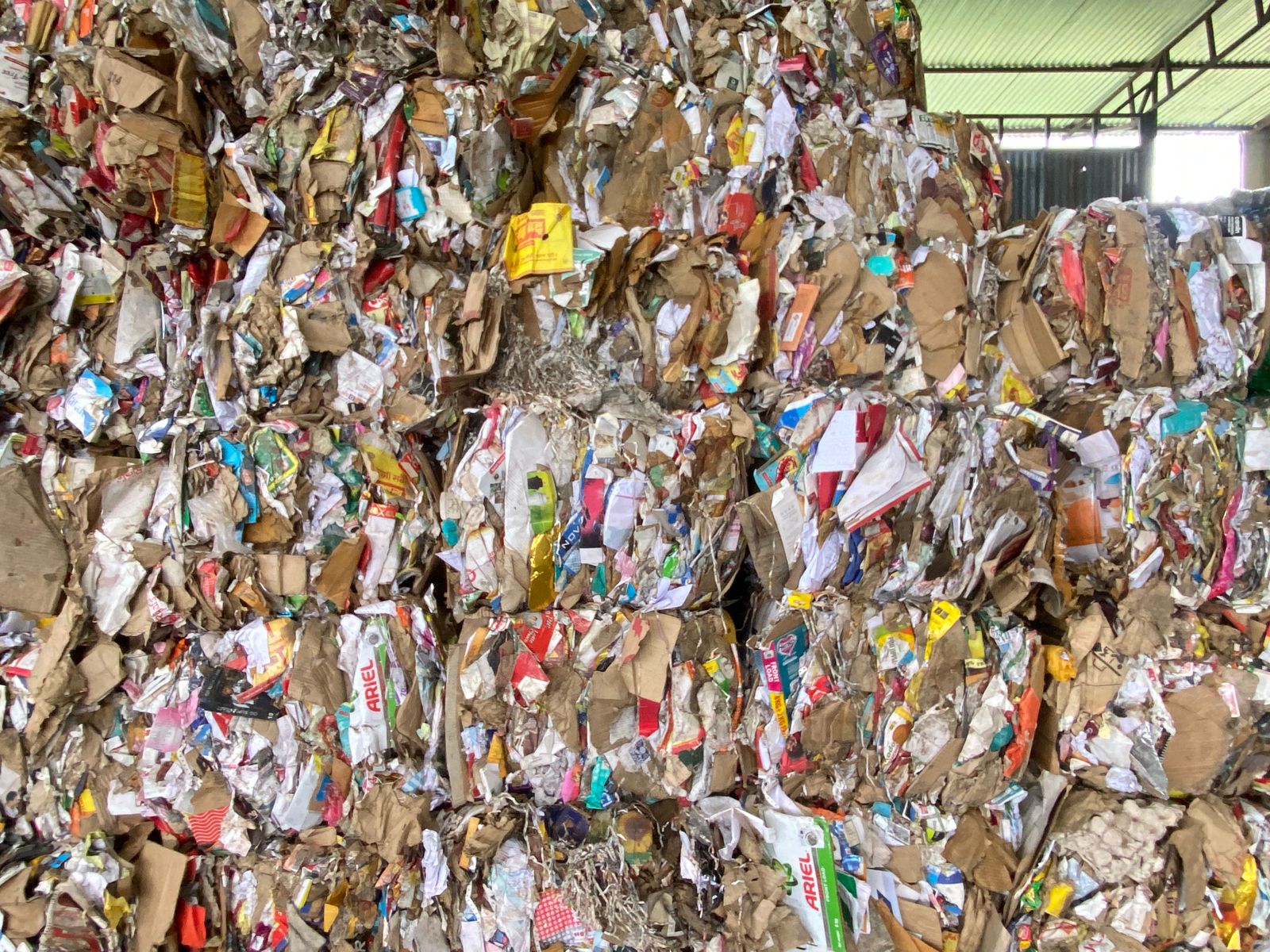
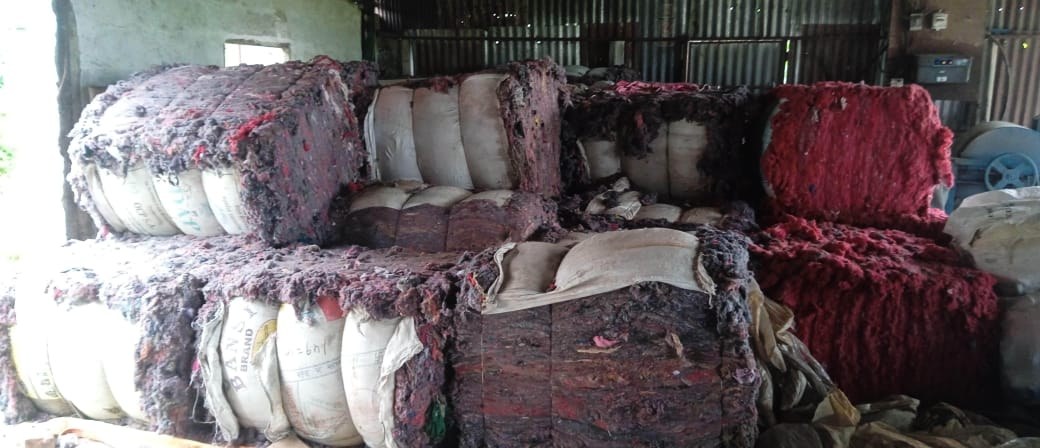
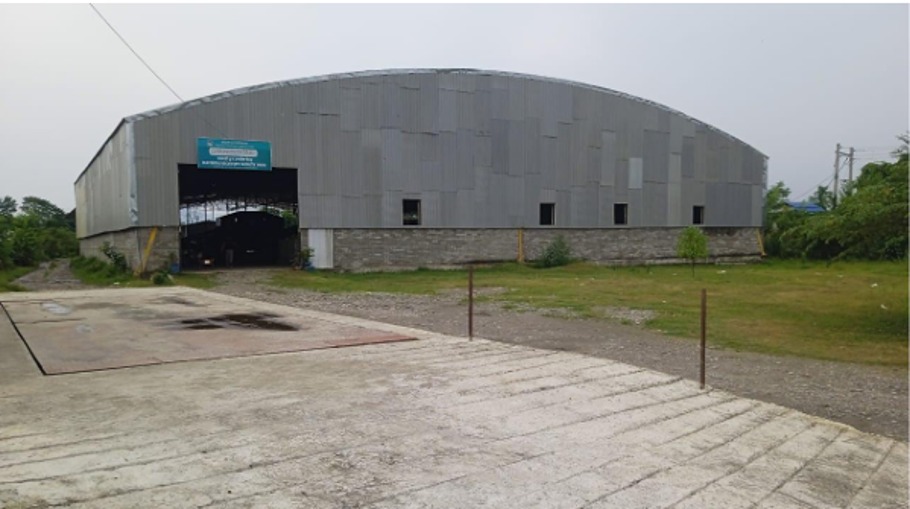
- ReceivingCollection vehicles bring dry waste from the wards to the MRF.
- SortingOur team separates it by material: cardboard and paper, PET bottles, other plastics, metal, glass and textiles.
- BalingEach material is pressed into compact bales that are easy to store, load and transport. Textiles are processed into fibre (kapas) first.
- To industryThe bales go to recyclers and industries that use them as raw material, so they replace new resources instead of ending up in a dump.
04
Our facility
Interlocking block production
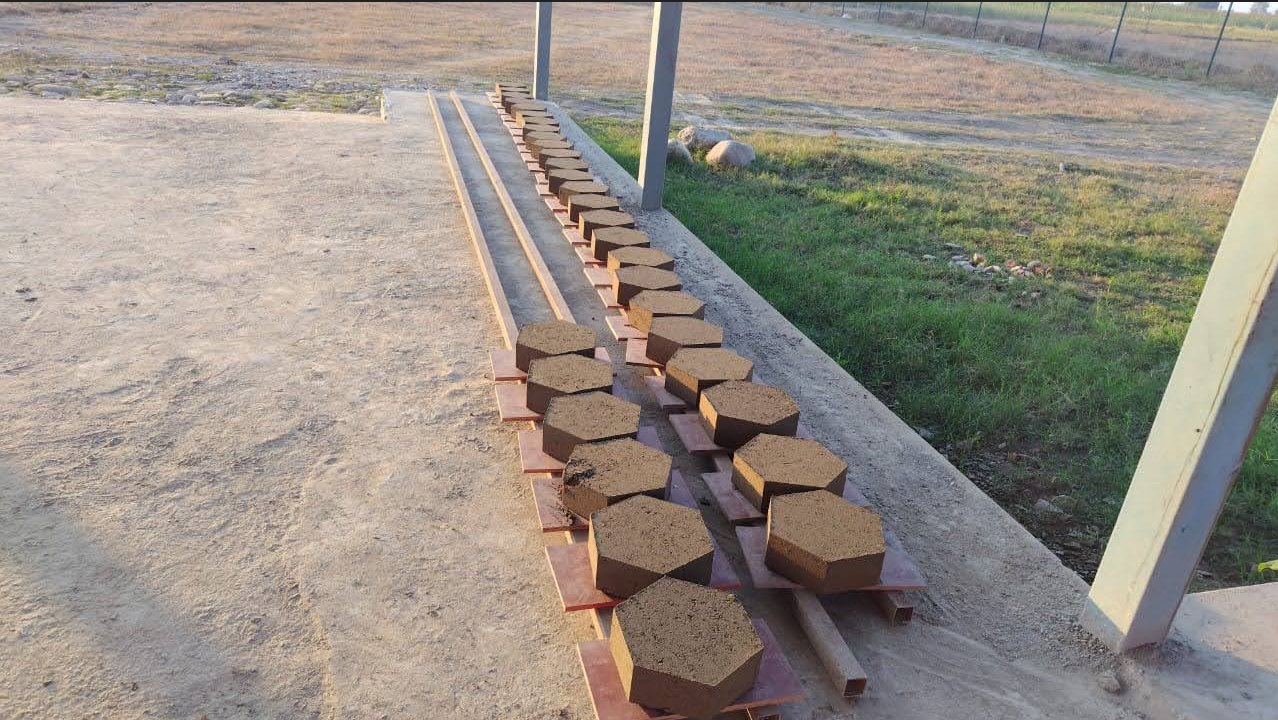
Here, waste that is hard to recycle becomes a building material. Our interlocking blocks and hexagonal paver blocks are made from crushed recovered glass, a small share of multilayer plastic wrappers, sand dust and cement, giving these materials a long, useful second life instead of sending them to a landfill or a river.
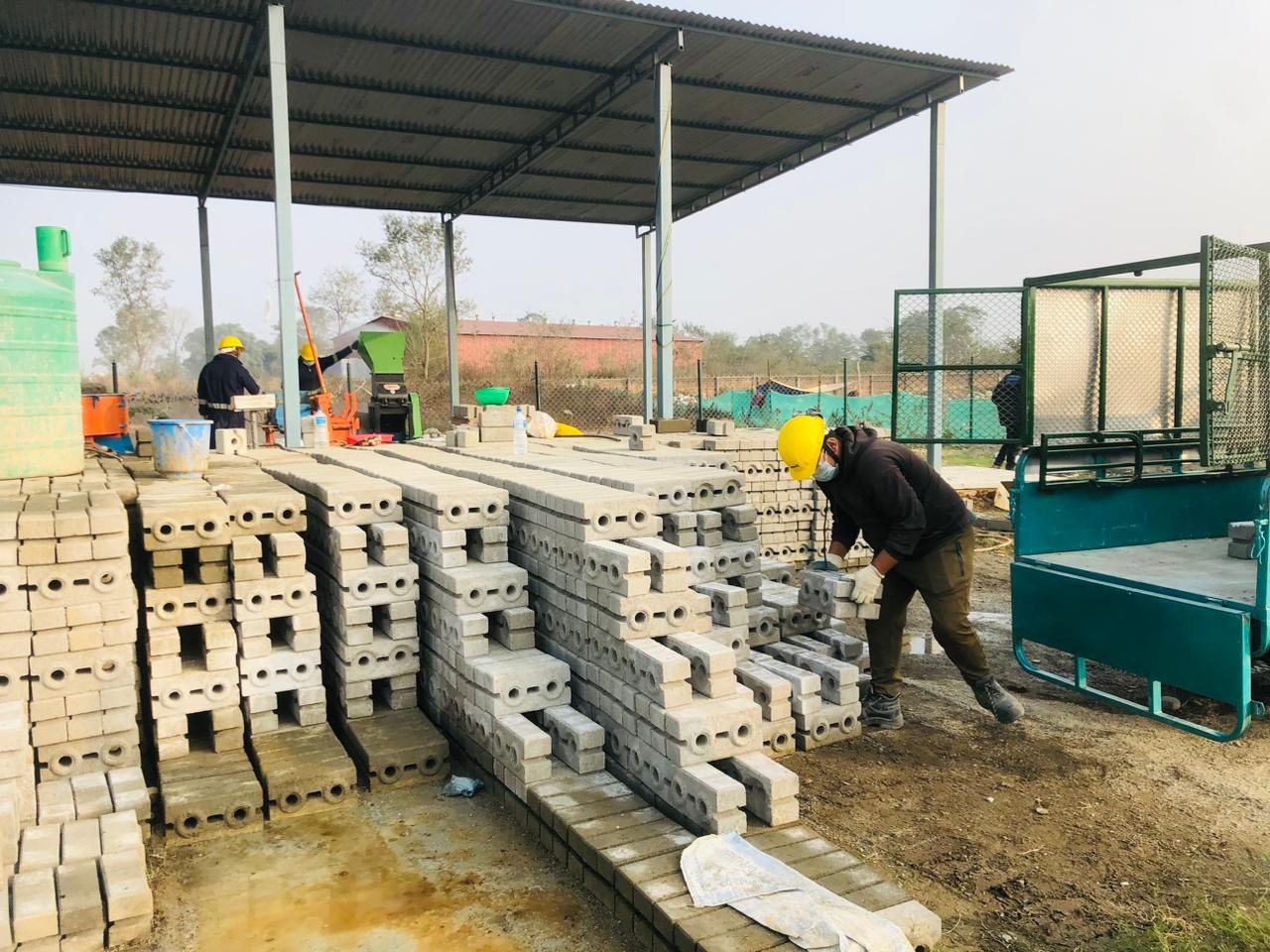
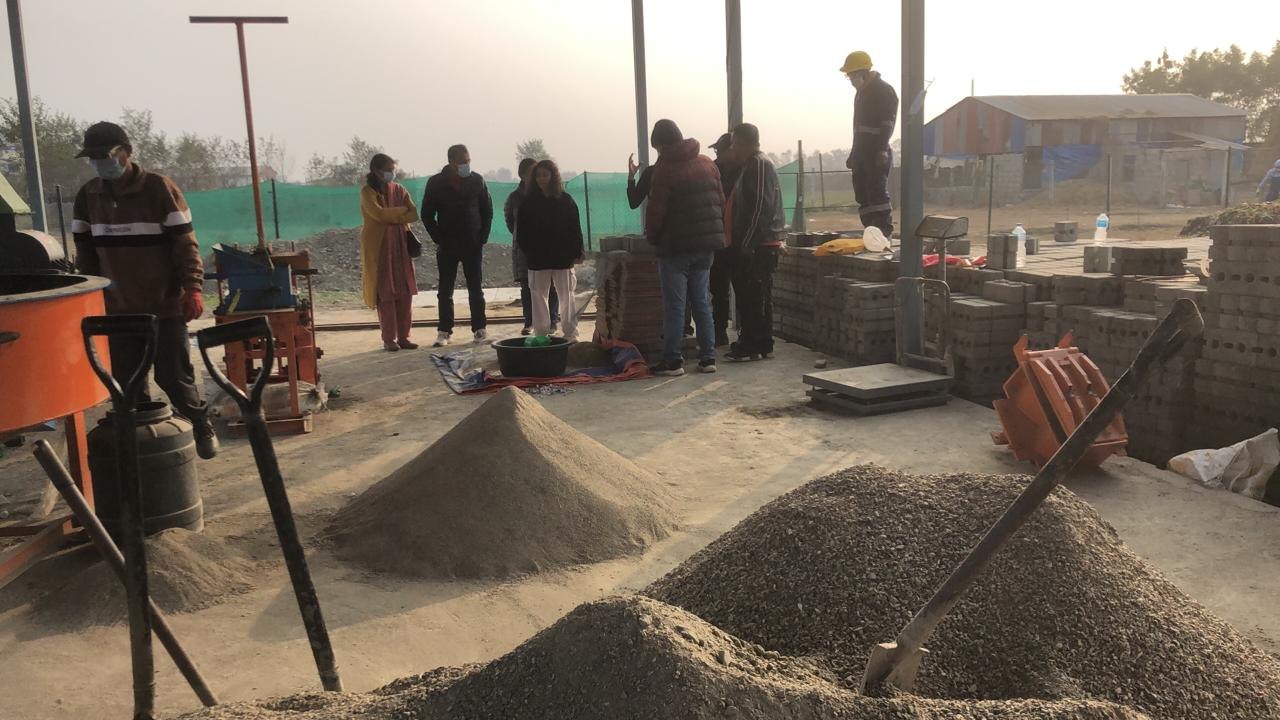
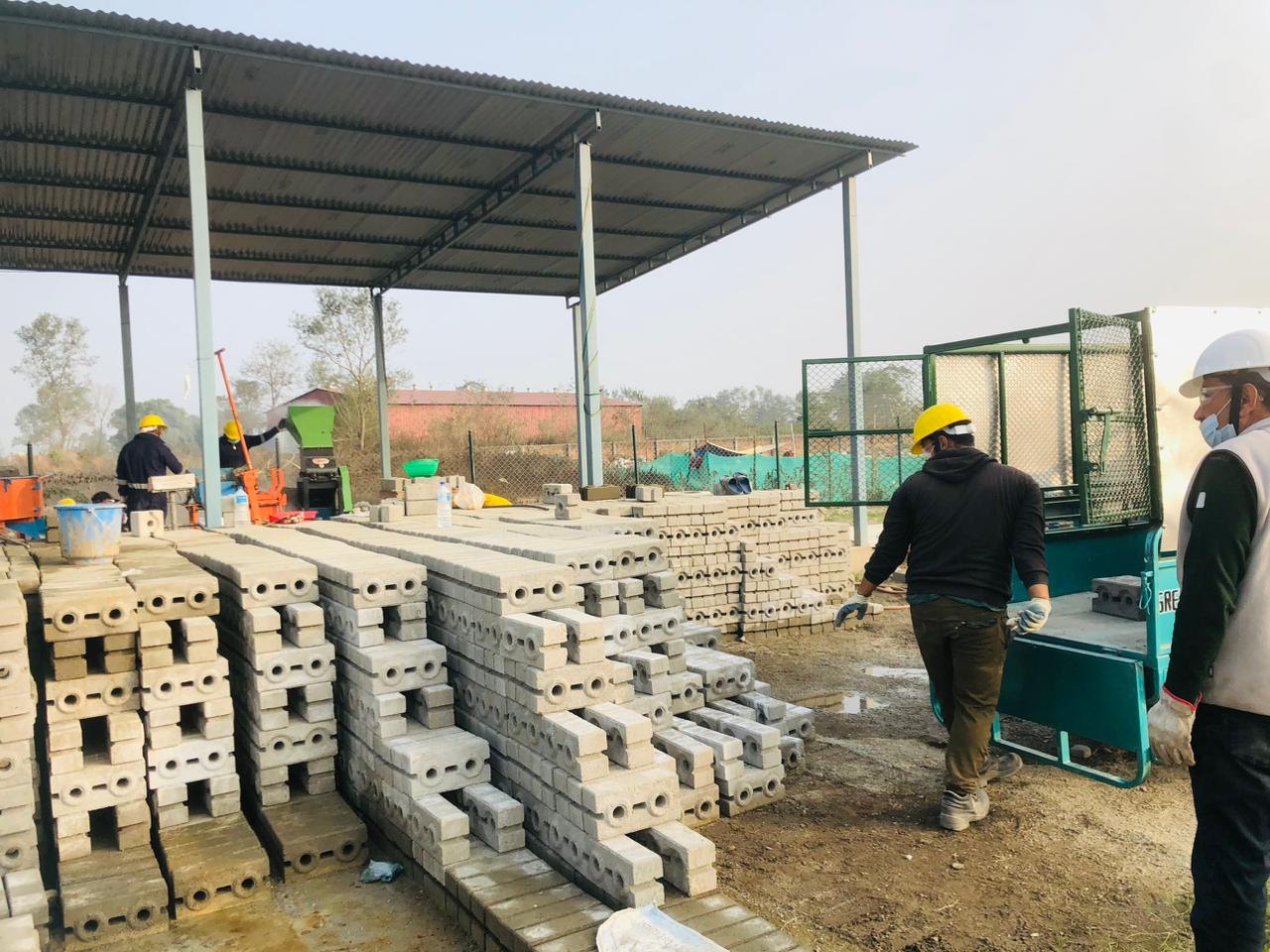
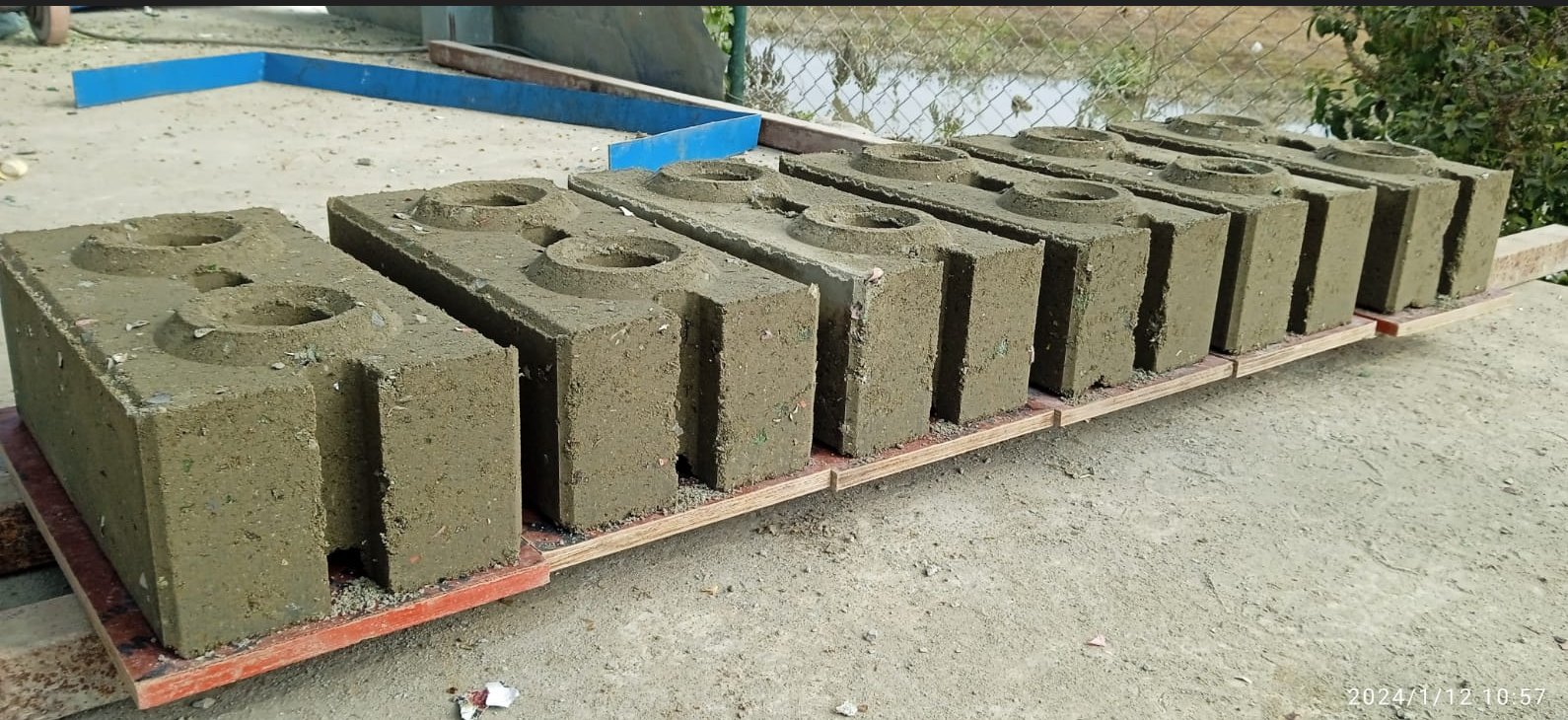
- CrushingRecovered glass is crushed and multilayer plastic is shredded into small pieces.
- MixingCrushed glass and plastic are mixed with sand dust, cement and water in the mixer.
- PressingThe mix is pressed into interlocking blocks and hexagonal pavers in the block-making machine.
- CuringBlocks are stacked under the shed to cure and harden before use.
05
Our facility
Plastic recycling: Saura Plast HDPE wiring pipes
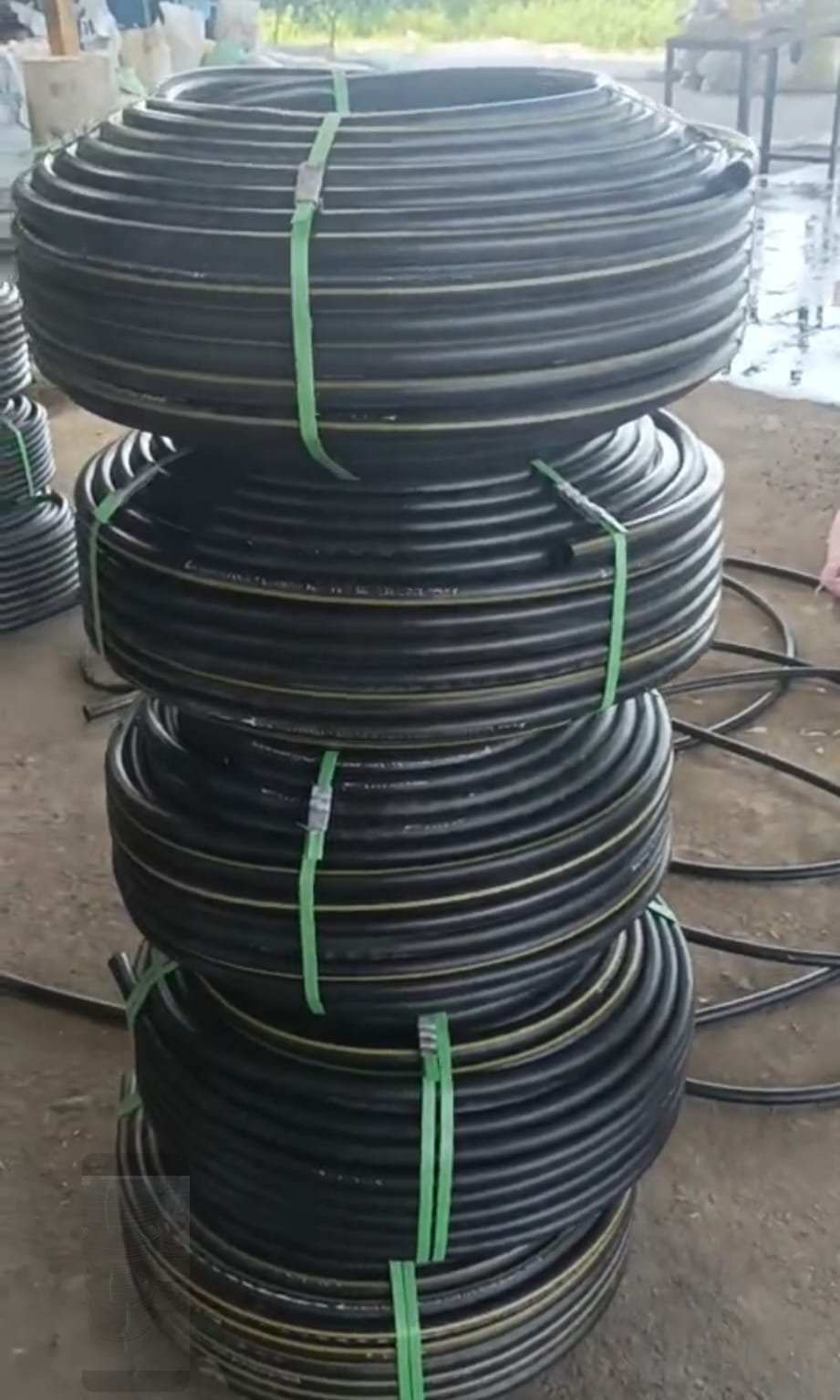
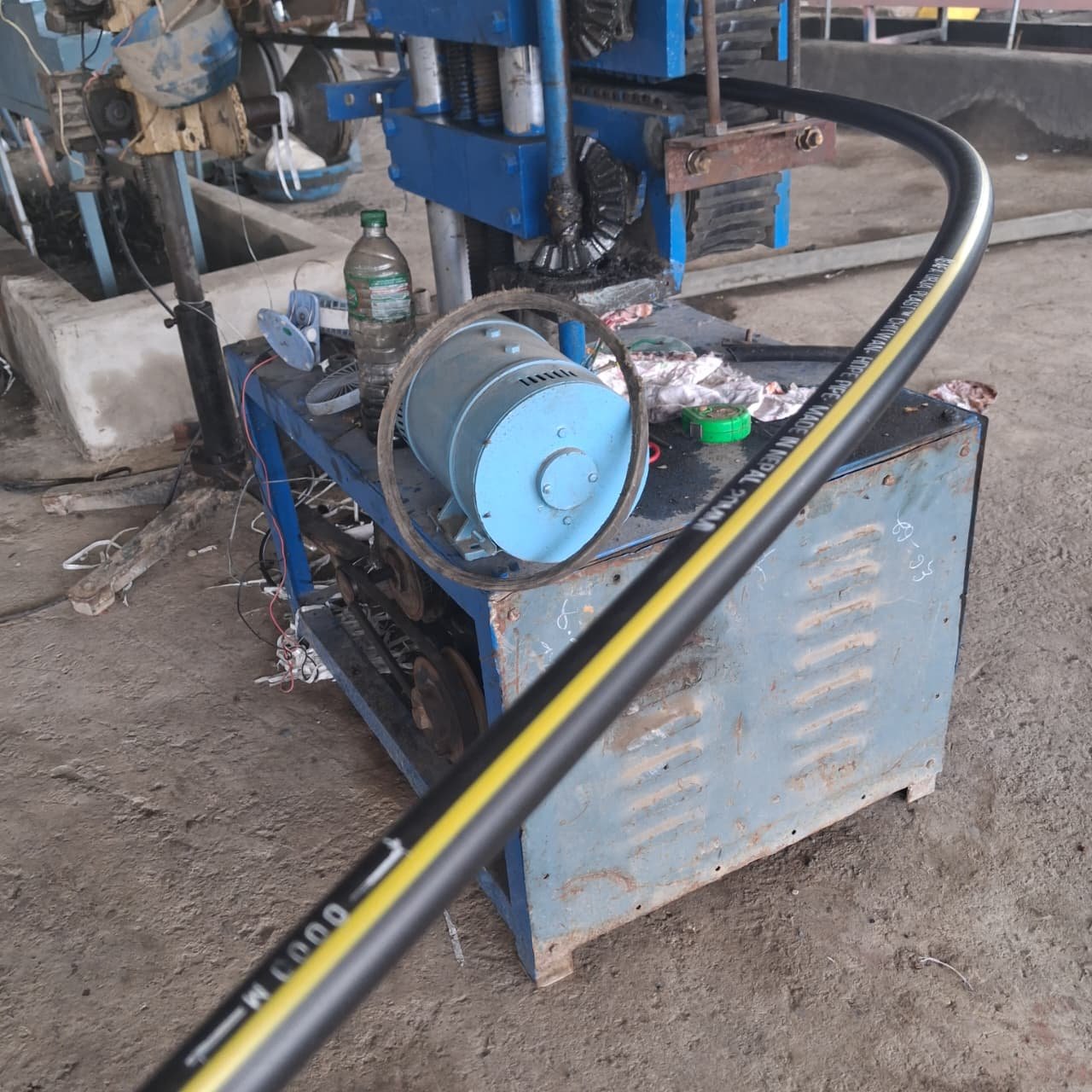
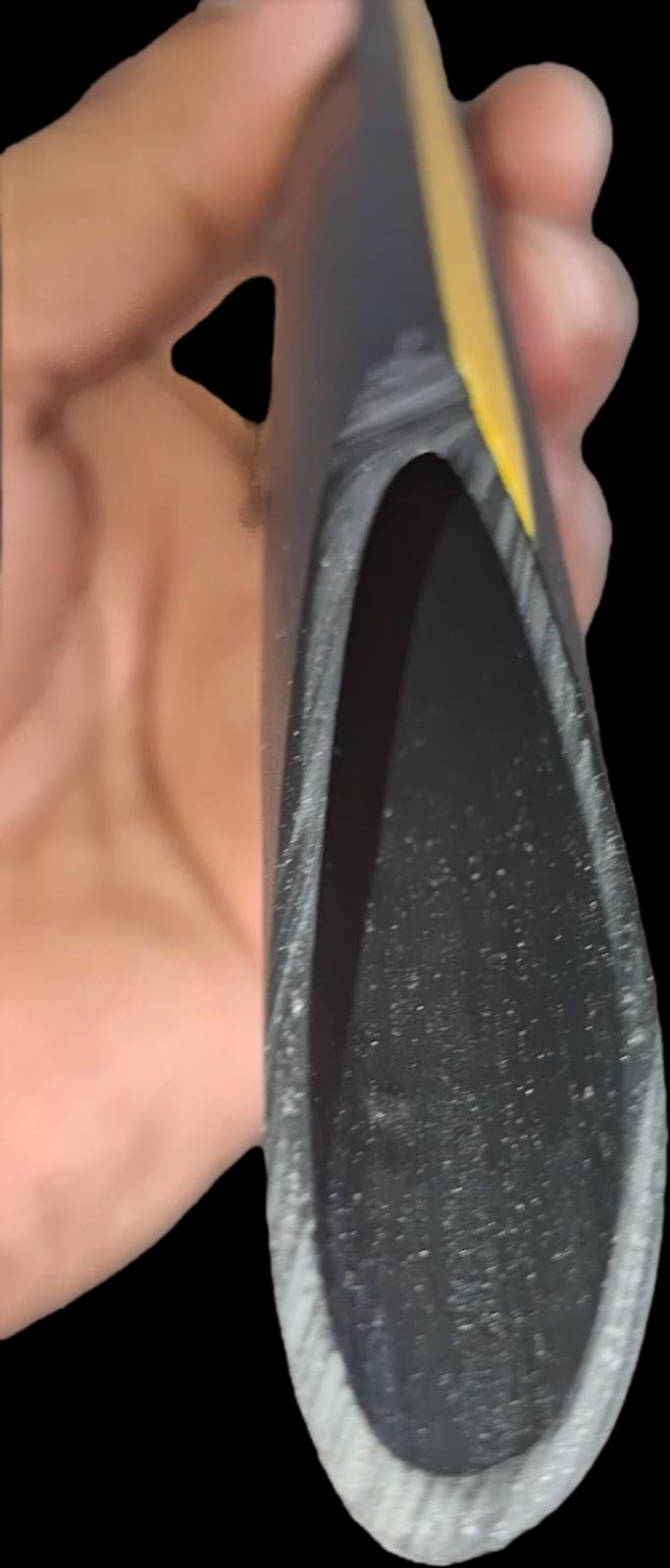
Recovered plastic gets a second life as HDPE pipes for electrical wiring. The plastic is shredded, washed clean, dried and then made into strong, flexible pipe, coiled and strapped ready for sale. Every batch is checked for quality, and our customers test it too.
- WashingShredded plastic is washed in a tank with a stirrer to remove dirt, labels and food residue.
- DryingThe clean flakes are rinsed and dried, because only clean, dry plastic makes good pipe.
- Making the pipeThe plastic is formed into HDPE wiring pipe with a yellow stripe, printed and coiled.
- Quality checkingPipes are bent, flexed and struck with a hammer to check that they do not crack. Shopkeepers who stock our pipe do the same test themselves, and they like what they see.
Visit our facility
Our facility is a working site in daily operation, so visits are arranged by prior request. Municipalities, schools, farmer groups and partners are warmly welcome: please send us a request, and we will arrange your visit in coordination with, and with the approval of, our partner municipalities in eastern Chitwan. This keeps every visit safe, well organised and worthwhile.